
Complete Auto Repair SERVICES NEAR ME
Passenger Vehicle Repairs Handled from Diagnosis Through Completion
Complete auto repair in Great Falls for passenger vehicles requiring brake service, oil changes, tire work, engine repair, or transmission work
Auto diagnostics on a passenger vehicle has changed significantly in the past two decades—modern vehicles generate fault data across dozens of modules, and retrieving that data accurately requires both the right diagnostic hardware and the ability to interpret what the readings mean in the context of how the vehicle is actually behaving. Mechanix Unlimited Inc performs complete auto repair in Great Falls for passenger vehicles, covering the full range of services from brake work and oil changes through engine and transmission repair, with diagnostics as the starting point for any repair that involves a fault code, warning light, or unexplained performance change.
The repair process at Mechanix Unlimited Inc is structured around identifying the correct cause before committing to a repair scope. For brake service, that means measuring rotor thickness and surface condition, evaluating caliper function, and checking brake fluid condition rather than defaulting to a pad replacement as the first response to a brake complaint. For oil changes, the service includes a review of current oil condition and any oil consumption pattern that might indicate a developing engine issue. For engine and transmission work, the diagnostic step isolates whether the problem is electronic, mechanical, or a combination—which determines what the repair actually involves. This approach avoids the pattern of replacing components that are not the root cause, which is a common outcome when a repair is started from the fault code description alone rather than from confirmed component testing.
Request an appointment with Mechanix Unlimited Inc to have your passenger vehicle assessed and to establish what repair or maintenance work is actually needed based on current condition..
What Complete Auto Repair Actually Accomplishes
Brake service on a passenger vehicle involves more than swapping pads—rotor condition, caliper slide pin function, and brake fluid moisture content all affect how the braking system performs after service is finished. Glazed or heat-cracked rotors that are resurfaced or replaced allow the new friction material to bed in correctly and deliver consistent pedal feel; calipers that are sticking or not releasing fully cause uneven pad wear that returns quickly regardless of how recently the pads were replaced. Addressing the complete brake system rather than one component at a time is what produces a repair that remains stable rather than generating a repeat complaint within a short mileage interval.
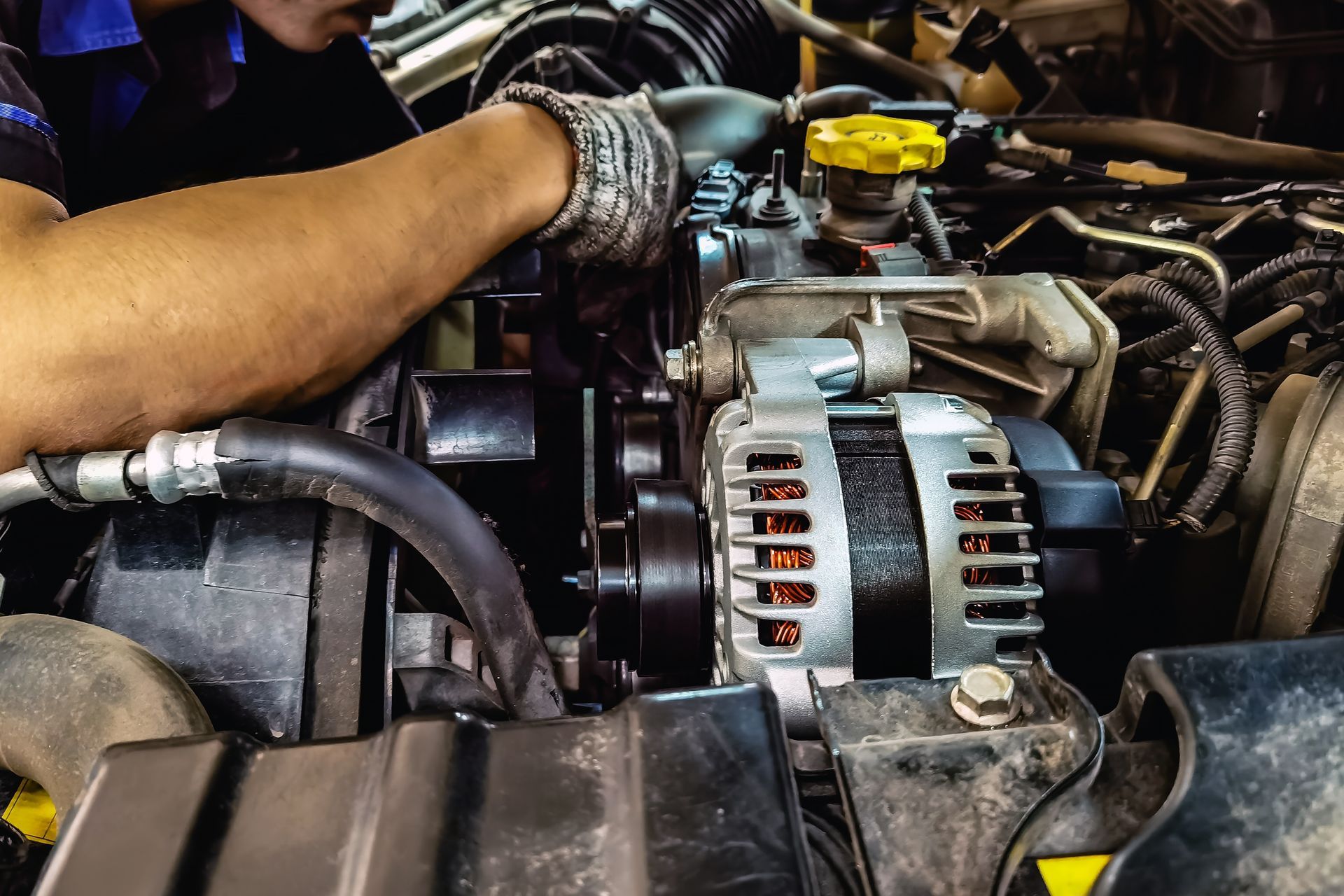
After engine or transmission work is completed, what the driver notices is that the performance issue that prompted the repair—loss of power, rough idle, delayed or harsh shifting, fault light illumination—no longer occurs under normal operating conditions. The vehicle returns to the behavior it had before the fault developed rather than improving temporarily and returning to the problem after a short interval. Fault codes that were active are cleared only after the underlying condition is confirmed resolved, not as part of the repair process itself.
Complete auto repair also includes tire service for passenger vehicles, which covers mounting, balancing, and rotation in addition to mobile tire work handled on the heavy duty side of the business. Keeping tire service, brake work, oil changes, and engine or transmission repair within a single provider simplifies the maintenance record and allows the technician reviewing the vehicle to flag developing issues across systems rather than seeing only the single service that prompted a visit..
Questions About How Passenger Vehicle Repair Is Performed
Passenger vehicle owners often want to understand what goes into a repair assessment and how decisions about what to fix are made, particularly when a warning light or performance change could have more than one cause.
- How does a diagnostic assessment determine what is actually causing a check engine light on a passenger vehicle? The process retrieves active fault codes and any stored codes from previous events, then uses live data monitoring to observe sensor readings under operating conditions. The technician compares those readings against manufacturer specifications to identify which component or circuit is outside of its expected range, then performs targeted testing on that component before concluding that it is the failure point.
- What does brake service include beyond replacing brake pads? A complete brake service evaluates rotor thickness against the manufacturer's discard specification, rotor surface condition for grooving or heat cracks, caliper slide pin movement and boot condition, and brake fluid moisture level. Each of those factors affects braking performance and pad longevity independently of whether the pads themselves were the original reason for the service visit.
- When is an engine oil change the right time to identify a developing engine problem? The oil change service interval gives a technician access to oil condition information—color, viscosity, presence of metal particles, and consumption rate between intervals—that can indicate early-stage ring wear, valve seal degradation, or coolant intrusion before those conditions produce a fault code or noticeable driveability symptom. Identifying these patterns early expands the available repair options.
- How does transmission repair differ from a transmission fluid service on a passenger vehicle? A fluid service addresses the condition of the fluid and filter and is a maintenance item performed on a defined interval. Transmission repair addresses a mechanical or electronic failure within the transmission itself—slipping, delayed engagement, harsh shifting, or fault codes related to solenoid function or clutch pack condition. The diagnostic step determines which of those applies before any internal work is recommended.
- What should a driver in Great Falls observe and report when bringing a vehicle in for an unexplained noise or vibration? The most useful information is when the noise or vibration occurs—at what speed, under what load conditions, during braking or acceleration, or only at certain temperatures—and whether it has changed in frequency or intensity over time. These details help the technician reproduce the condition and direct the inspection toward the most likely source rather than conducting a broad search across systems.
Mechanix Unlimited Inc handles complete auto repair for passenger vehicles across the full scope of maintenance and repair needs in Great Falls. To schedule a service appointment or describe a current issue with your vehicle, contact the shop directly with your vehicle year, make, model, and a description of the problem or service needed.