
Tires SERVICES NEAR ME
Mobile Tire Service That Comes to You
Tire repair and roadside assistance in Great Falls for semis, tractor trailers, and heavy duty vehicles with one ton or greater capacity
A blown tire on a loaded semi does not wait for a shop to open, and getting a commercial rig to a brick-and-mortar service bay is rarely a realistic option when a tire fails on the highway or at a staging yard. Mechanix Unlimited Inc provides mobile tire repair and roadside assistance in Great Falls specifically for heavy duty vehicles—semis, tractor trailers, and one-ton-plus commercial units—handling service at the location where the vehicle sits rather than requiring the operator to move it.
The mobile service model matters for heavy commercial equipment because the alternative—attempting to limp a loaded tractor trailer on a damaged tire—risks rim damage, brake system stress, and safety exposure that turns a manageable tire event into a significantly more expensive repair. When a technician arrives at the vehicle's location, the assessment covers whether the tire can be repaired or requires replacement, what condition the rim and mounting hardware are in, and whether the failure mode suggests any related issues that need attention before the vehicle returns to service. For fleet operators and independent owner-operators running routes through north-central Montana, having a mobile provider based in Great Falls means shorter response distances to locations along I-15 and the surrounding highway corridors.
Contact Mechanix Unlimited Inc to arrange a mobile tire service call for your heavy duty vehicle or to discuss standing roadside assistance coverage for your fleet.
How Mobile Tire Service Works for Heavy Commercial Vehicles
When a tire failure occurs on a semi or heavy duty unit, the first decision the technician makes on arrival is whether the damage is repairable or whether a replacement mount is required. Punctures within the repairable tread zone can often be addressed with a commercial plug-and-patch procedure performed on the vehicle, while sidewall damage, bead failure, or tread separation requires a full tire change. For dual-rear configurations common on tractor trailers, the technician also evaluates whether an adjacent tire is carrying uneven load due to the failure, which affects whether a single replacement resolves the immediate problem or whether the adjacent position needs inspection as well.
After service is complete, the repaired or replaced tire is torqued to the appropriate specification for that axle position and load rating, and inflation is set to the manufacturer's recommended pressure for the vehicle class. What the operator notices immediately is that the rig can return to legal and safe operating status without having been towed or repositioned—the work is finished at the breakdown point.
Heavy commercial tires operate at significantly higher inflation pressures than passenger vehicle tires, and the mounting and demounting process requires equipment rated for commercial rim sizes and bead seating forces. Standard passenger tire service equipment is not rated for this work, which is why heavy duty mobile tire service requires dedicated commercial tooling that travels with the service unit rather than what a general roadside assistance provider carries.
What Operators Ask About Heavy Duty Mobile Tire Service
Commercial vehicle operators often have specific questions about what mobile tire service covers and how the process works when a tire event happens away from a service facility.
- What types of tire damage can be repaired on-site versus requiring full replacement? Punctures located in the central tread area within the manufacturer's repairable zone can typically be addressed with a plug-and-patch repair performed on the vehicle. Sidewall damage, bead area failures, and any puncture outside the repairable zone require the tire to be replaced rather than repaired, and the technician determines which applies after physically inspecting the damage.
- How does a technician access a failed tire on a tractor trailer with a loaded trailer attached? The service approach depends on which axle position is affected—steer, drive, or trailer—and whether the vehicle can safely remain stationary at its current location. Drive and trailer positions on dual configurations allow the vehicle to remain in place while the affected tire is serviced, while steer axle failures may require additional safety staging before work begins.
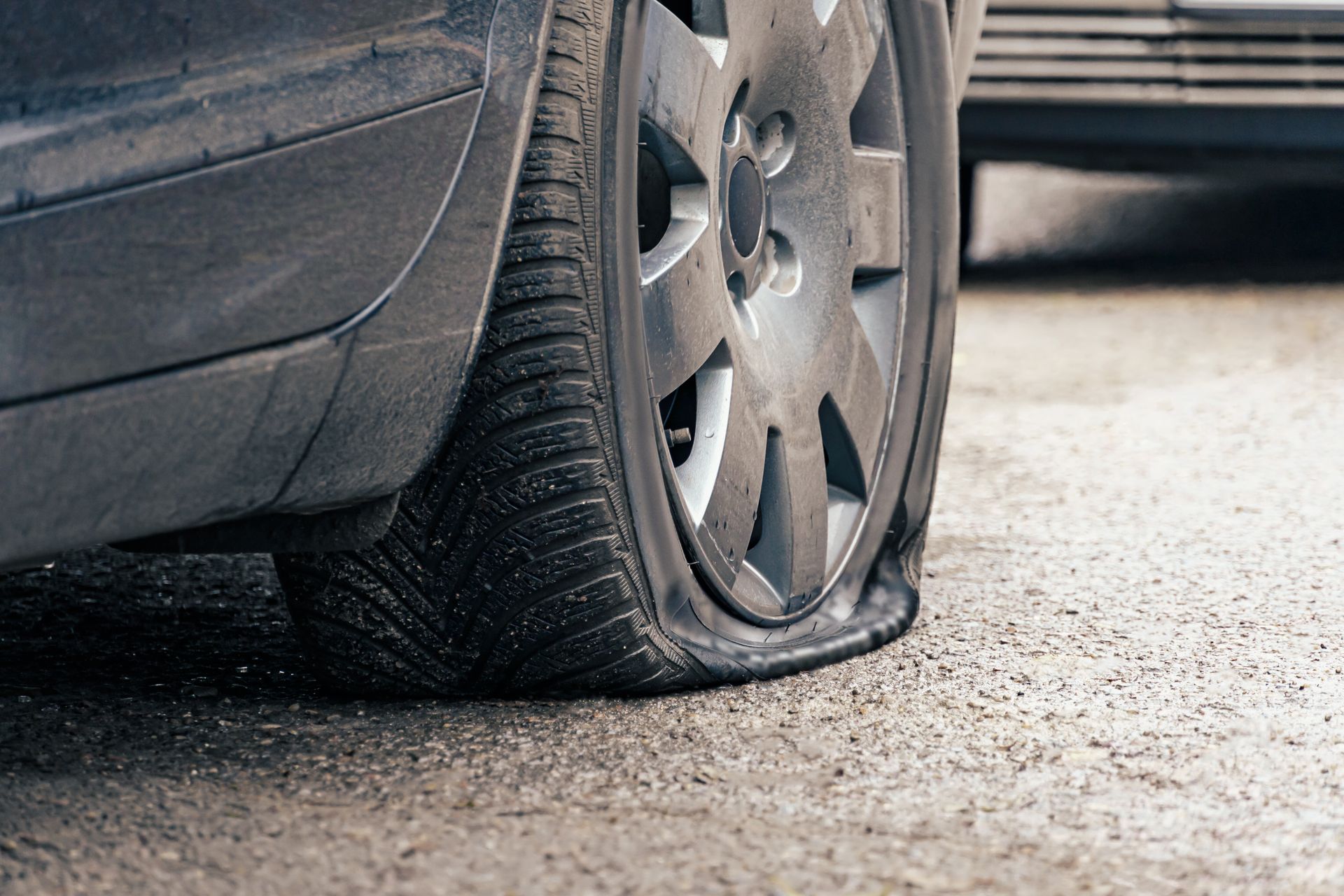
- What happens to the rim when a tire runs flat before the vehicle stops? Running on a flat tire, even for a short distance at low speed, can damage the rim bead seat and sidewall contact area. The technician inspects the rim after tire removal to assess whether it can safely be remounted or whether rim damage makes remounting unsafe.
- Why does inflation pressure matter differently for commercial tires than for passenger vehicles? Commercial tires on semis and tractor trailers operate at pressures often exceeding 100 PSI and carry load ratings calculated to that inflation specification. Running even modestly underinflated generates heat buildup in the tire casing that degrades the internal structure over time, which is why pressure verification after any service event is a required step rather than an optional check.
- What should an operator have available when calling for mobile tire service in Great Falls? The technician will need the vehicle's year, make, and axle configuration, the tire size on the affected position, and the precise location of the vehicle including any access restrictions such as low clearance, weight-restricted surfaces, or active traffic proximity.
Mechanix Unlimited Inc handles mobile tire repair and roadside tire service for heavy commercial vehicles throughout the Great Falls area. To request a service call or discuss ongoing roadside support for your fleet, connect with the shop directly to describe your vehicle type and current situation.