
Heavy Duty Auto Diagnostics SERVICES NEAR ME
Fault Identification Built on Commercial System Knowledge
Heavy duty auto diagnostics in Great Falls for semis, tractor trailers, and commercial vehicles at one ton or greater when fault codes or performance changes appear
Commercial vehicle diagnostic work begins with a question that a fault code alone cannot answer: what physical condition caused the system to flag this event? On a semi or tractor trailer, the engine control module, transmission controller, ABS module, and aftertreatment system each log fault data independently, and when multiple modules show activity at the same time, determining which fault is primary and which are downstream responses is the foundational step that determines whether the repair that follows actually resolves the problem. Mechanix Unlimited Inc performs heavy duty auto diagnostics in Great Falls for semis, tractor trailers, and commercial vehicles rated at one ton or above, handling the full diagnostic sequence from fault retrieval through root cause identification before any repair scope is defined.
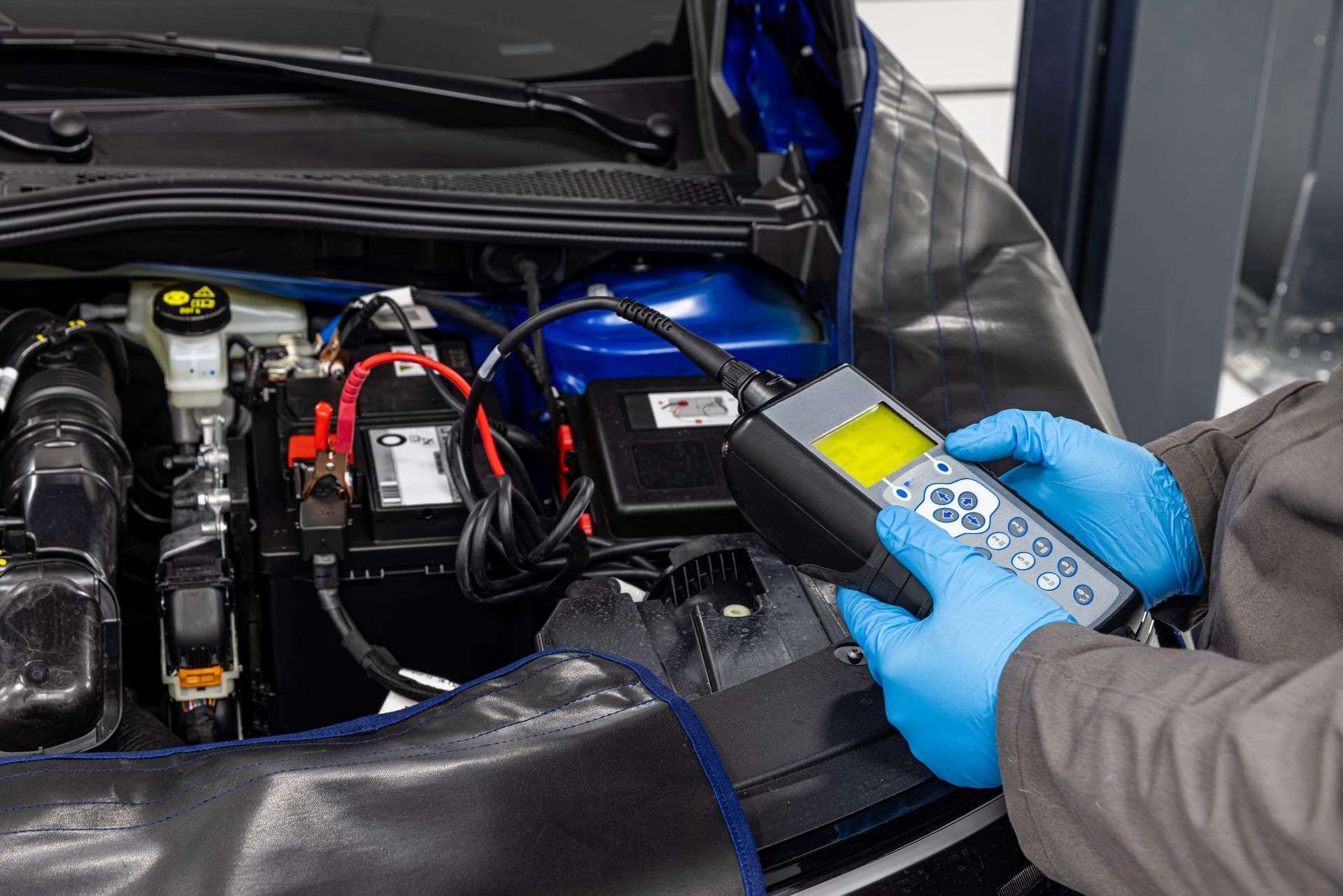
The diagnostic process for heavy commercial equipment involves commercial-grade scan tools capable of communicating with the specific protocols used by heavy duty engine platforms—Cummins, Detroit, PACCAR, and Navistar engines each use different data standards than passenger vehicles, and diagnostic equipment that works on a pickup truck does not communicate with those systems at the depth needed to retrieve live parameter data, perform bidirectional tests, or conduct forced regeneration and injector contribution tests that are standard steps in commercial diesel diagnostics. After fault codes are retrieved and freeze frame data is reviewed, the technician monitors live sensor data under operating conditions to identify which readings fall outside specification and then performs component-level testing to confirm the failure point. This sequencing—code retrieval, freeze frame review, live data monitoring, component testing—is what separates a diagnostic that leads to an accurate repair from a code read that leads to parts replacement that does not resolve the fault.
Schedule a heavy duty diagnostic session with Mechanix Unlimited Inc to identify the root cause of an active fault, derate condition, or warning light on your commercial vehicle before deciding on a repair course..
Why Diagnostic Sequencing Determines Repair Accuracy
One of the most common patterns in heavy commercial vehicle repair is replacing a sensor or component identified by a fault code, only to have the same code return within a short operating interval. This happens when the component the code references is not the actual failure point—the component may be reporting correctly that a condition is outside specification, but the condition itself is caused by something else. An exhaust back pressure sensor code, for example, may indicate a failed sensor, a clogged DPF, a failing turbocharger, or an EGR valve issue that is affecting backpressure readings. The diagnostic process identifies which of those conditions is present by testing each possible cause against the live data rather than defaulting to the most common repair for that code.
After diagnostics are completed, the operator receives a specific root cause identification and a defined repair scope rather than a list of possible causes. For fleet operators managing multiple commercial units running routes through Great Falls and north-central Montana, having documented diagnostic records that identify confirmed failure points—rather than parts-based guesses—supports more accurate maintenance forecasting and reduces repeat visits for the same fault.
Heavy duty diagnostics also covers pre-purchase inspection scenarios, where a commercial vehicle being evaluated for acquisition needs a thorough electronic and mechanical assessment to identify any active or stored fault history, deferred maintenance, or developing system issues before the transaction closes. Reviewing stored codes that a seller has cleared but that are still visible in the module's fault history is a standard part of that assessment.
What Operators Ask About Heavy Duty Diagnostic Work
Commercial vehicle operators—whether running a single truck or managing a fleet—often want to understand what the diagnostic process involves and how it is structured before bringing a vehicle in for assessment.
- What commercial engine platforms does heavy duty diagnostic work in Great Falls typically cover? Diagnostics for heavy commercial vehicles encompasses major diesel engine platforms including Cummins, Detroit Diesel, PACCAR MX, and Navistar, each of which uses proprietary communication protocols and data parameters that require platform-specific diagnostic software rather than generic OBD-II tools designed for passenger vehicles.
- How does a technician use live data monitoring differently than a static fault code read when diagnosing a heavy commercial vehicle? Live data monitoring captures sensor readings in real time while the engine is running under load or at operating temperature, which allows the technician to observe whether a sensor's output drifts, spikes, or reads flat when it should show variation—behaviors that confirm a failing sensor or circuit condition that would not be visible in a static code snapshot.
- What is a bidirectional test and why does it matter for commercial diesel diagnostics? A bidirectional test uses the diagnostic tool to command a specific component to activate—an injector, a solenoid, a dosing valve—and then observes whether the component responds correctly. This confirms whether the component itself is functional or whether the fault is in the control circuit feeding it, which directly determines what the repair involves.
- How does stored fault history differ from active fault codes on a commercial vehicle, and why does it matter? Active codes represent faults that are currently present; stored codes record faults that triggered previously but are not currently active. Stored code history reveals whether a condition has been occurring intermittently, how many times it has triggered, and whether a previous repair attempt cleared codes without resolving the underlying issue—information that shapes how the current diagnostic proceeds.
- Why does diagnostic accuracy on heavy commercial vehicles affect the total cost of repair more significantly than on passenger vehicles? Commercial vehicle components—injectors, turbochargers, aftertreatment assemblies, transmission control modules—carry substantially higher parts costs than their passenger vehicle equivalents, which means replacing a component that is not the actual failure point is a more costly error. Accurate diagnostics that confirm the failure point before parts are ordered reduces the risk of that outcome.
Mechanix Unlimited Inc provides heavy duty auto diagnostics for commercial vehicle operators in Great Falls. To schedule a diagnostic evaluation for your semi, tractor trailer, or heavy duty commercial unit, contact the shop directly with your vehicle platform, current fault codes if known, and a description of any performance changes or warning indicators the driver has reported.