

Diagnostic
Damaged Vehicles Removed Safely From Active Scenes
Accident Recovery Towing in Great Falls for vehicles involved in collisions that require removal from the scene and safe transport to a repair destination
Vehicles involved in collisions present a different set of towing challenges than a standard breakdown. Structural damage, deployed airbags, fluid leaks, and compromised wheel assemblies all change how the vehicle can be safely attached and moved. Mechanix Unlimited Inc provides accident recovery towing in Great Falls, handling the removal of damaged vehicles from collision scenes and transporting them to repair facilities, insurance-designated locations, or owner-specified destinations. The work requires a methodical approach rather than a fast one—moving a crash-damaged vehicle incorrectly can worsen damage that might otherwise have been repairable.
Accident scenes also involve coordination with law enforcement and emergency personnel, which affects the sequence and pace of recovery work. The towing operator must work within the scene perimeter, avoid disturbing evidence where relevant, and clear the vehicle as efficiently as conditions allow without creating secondary hazards. In Great Falls, where both urban intersections and rural highway corridors see accident traffic, the conditions at each scene vary substantially—a vehicle in a ditch off a two-lane road requires different rigging and equipment than one resting against a median barrier on a divided highway.
Arrange transport for an accident-damaged vehicle by contacting Mechanix Unlimited Inc with the scene location and a description of the vehicle's condition..
How Accident Recovery Addresses Collision-Damaged Vehicles
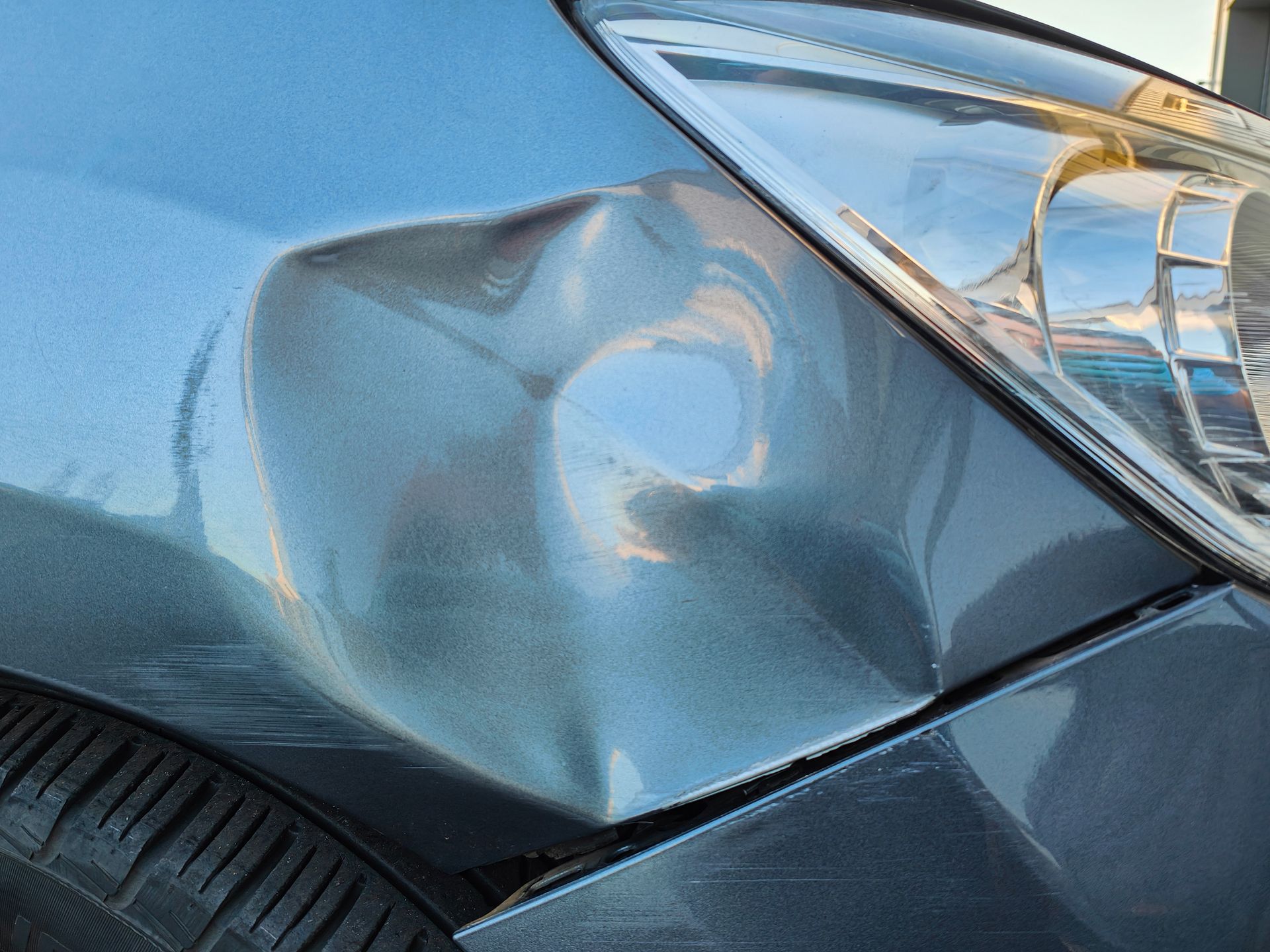
Before any movement begins, the recovery operator assesses the vehicle's position, the damage pattern, and whether the vehicle is stable or at risk of additional movement. Collision damage frequently affects the wheel assemblies, meaning the tires and axles may not roll freely or safely—this eliminates conventional towing as an option and requires the operator to use a flatbed or wheel-lift approach that accounts for the locked or damaged undercarriage. Rigging points must be identified on undamaged sections of the frame to prevent pulling on panels that are already stressed or bent.
After the vehicle is loaded and secured, what becomes immediately visible is that the scene can proceed—other vehicles can move through, emergency personnel can complete their work, and the road can reopen. For the vehicle owner, the practical change is that the car or truck is no longer sitting at a location where it is exposed to additional contact, weather, or tampering while insurance and repair logistics are sorted out. Mechanix Unlimited Inc coordinates delivery to whichever location the owner or insurer designates, including body shops, insurance storage yards, or other repair facilities.
Accident recovery sometimes involves secondary debris or vehicle components that separated during the collision. Clearing those from the roadway is part of responsible scene management, and leaving them behind creates ongoing hazards for other drivers. The scope of cleanup handled at the scene depends on the nature of the collision and what the responding personnel determine is needed.
What Property Owners Ask About the Work
Drivers and vehicle owners dealing with a collision for the first time often have practical questions about how recovery towing differs from standard towing and what they should do or avoid doing at the scene before the tow truck arrives.
How does accident recovery towing differ from a standard breakdown tow?
Collision-damaged vehicles often have compromised wheel assemblies, locked steering, or structural deformation that prevents safe conventional towing—the operator must assess the damage pattern and select rigging and transport methods based on what the vehicle can safely tolerate.
What should you avoid doing to an accident-damaged vehicle before the tow truck arrives?
Do not attempt to drive the vehicle from the scene if it has sustained significant suspension, wheel, or structural damage—what appears to be a minor impact can affect steering geometry or brake function in ways that are not immediately visible, and moving the vehicle prematurely can worsen those conditions.
Why does the rigging process take longer on a collision-damaged vehicle than a standard tow?
Intact vehicles have clearly accessible and rated attachment points; damaged vehicles may have bent frames, deployed components, or compromised attachment locations that require the operator to identify alternative rigging points before loading begins.
How is a vehicle positioned on a flatbed when collision damage affects one or more wheels?
The operator uses the flatbed's sliding deck and powered winch to load the vehicle from the damaged end first in most configurations, controlling the load angle so the vehicle rolls or slides onto the deck without placing lateral stress on already-weakened structural components.
When a collision happens on a rural road outside Great Falls, how does the remoteness of the location affect the recovery process?
Rural scene access affects how equipment is positioned and staged—narrower roads and unpaved shoulders limit the angles available for approach, which can require the operator to winch the vehicle to a stable position before the flatbed can be loaded from a safe angle.
Mechanix Unlimited Inc handles accident recovery towing for vehicles in the Great Falls area—provide the scene location and vehicle details so the correct equipment is dispatched and the vehicle is moved safely from the start.