

Diagnostic
Stuck in Terrain That Stops Everything Else
Winch-outs in Great Falls for vehicles trapped in mud, ditches, snow, or off-road terrain where conventional recovery is not possible
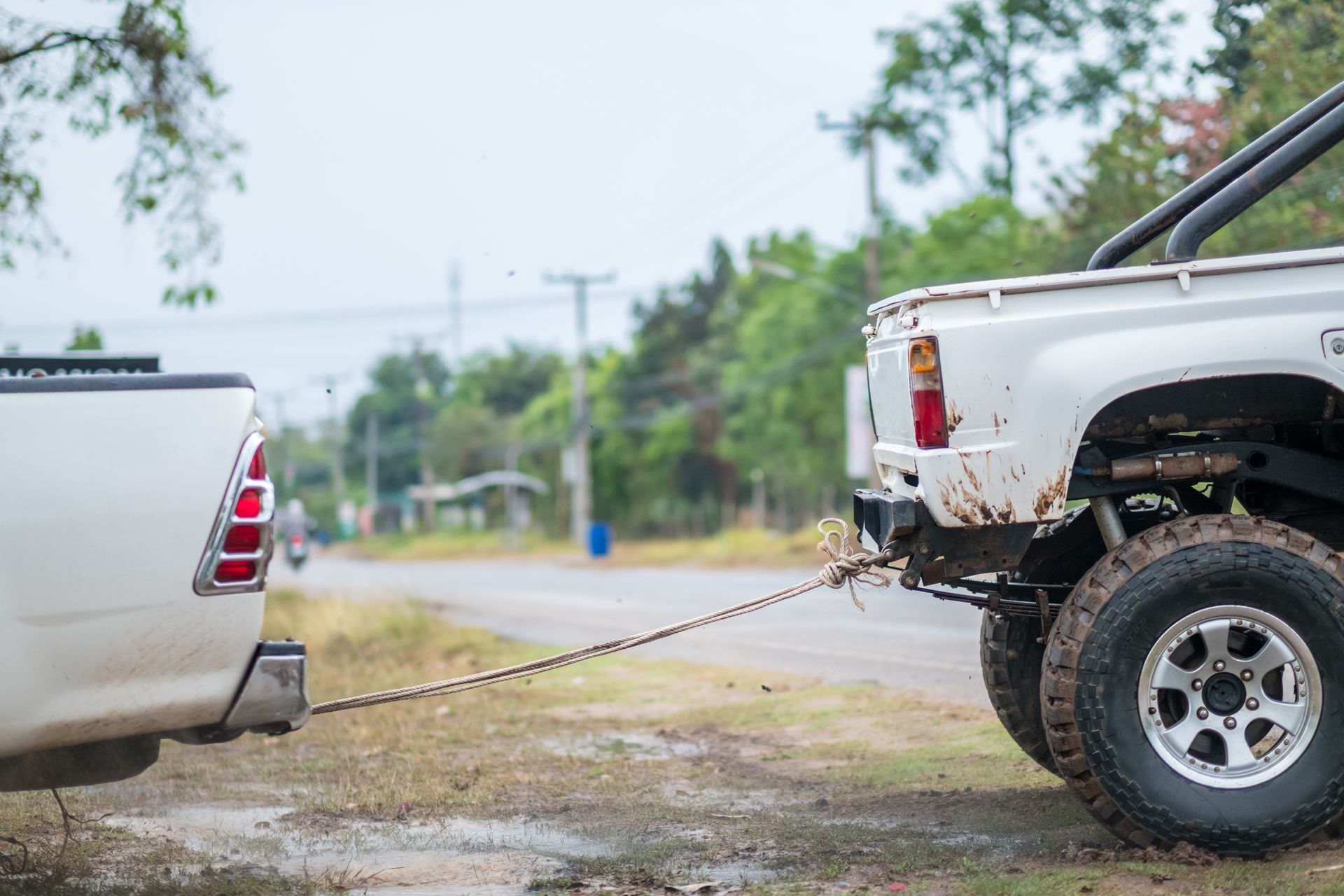
A vehicle buried to the axles in mud, hung up in a ditch, or lodged in soft terrain off a rural road is not a towing situation in the conventional sense—it is a recovery situation that requires controlled extraction before any transport can happen. Mechanix Unlimited Inc provides vehicle winch-out and recovery services in Great Falls, pulling stuck vehicles from positions where their own power and traction are not enough to free them. The service covers passenger vehicles, trucks, and SUVs caught in terrain conditions that go well beyond a simple push or pull.
Winch-out recovery begins with assessing the vehicle's position, the nature of the terrain it is embedded in, and the direction of pull that will free it without dragging it into a worse position or causing secondary damage. The angle of extraction matters considerably—pulling at the wrong angle can force the vehicle deeper into soft ground or stress body components against the terrain rather than lifting them free of it. Mechanix Unlimited Inc evaluates anchor point options, winch line routing, and load direction before the cable is attached and tension is applied.
Describe the vehicle's position and location to Mechanix Unlimited Inc so the correct recovery equipment and approach can be prepared before the operator arrives on-site.
The Difference Between a Winch-Out and a Standard Tow
Winching is a controlled mechanical pull, not a towing operation, and the two processes require different equipment staging and different decisions at the scene. A recovery operator must identify a suitable anchor point—a fixed structure, a buried anchor plate, or the tow vehicle itself positioned appropriately—then route the winch line so the pull vector aligns with the clearest exit path for the stuck vehicle. When the terrain is soft or the vehicle has sunk significantly, the extraction often requires multiple short pulls rather than one continuous load, allowing the ground to release its hold incrementally rather than all at once.
After a successful winch-out, the change is immediate and visible: the vehicle is on firm, stable ground, and the operator can assess whether it sustained any damage during the period it was stuck or during extraction. Tires, wheel wells, and the undercarriage are the first areas to inspect after recovery. If the vehicle is mechanically sound following the extraction, it can often be driven away from the scene; if extraction revealed or caused mechanical issues, Mechanix Unlimited Inc can assess whether towing to a repair facility is the appropriate next step.
Winch-out services are distinct from towing in another practical way: they do not always end with a vehicle being transported. The goal of a winch-out is to recover the vehicle to a position where it is no longer stuck and where safe evaluation and departure become possible. Whether a tow follows depends entirely on what the post-recovery inspection reveals about the vehicle's condition.
Common Questions About This Service
Drivers who have gotten a vehicle stuck in difficult terrain often have questions about how the winch-out process works, what the recovery operator needs to know before arriving, and how the extraction is handled without damaging the vehicle further.
What details should you provide when calling for a winch-out in the Great Falls area?
Give your best description of the exact location using road names, mile markers, or GPS coordinates, describe how far off the road the vehicle is and in which direction, specify the vehicle type and which end or side is embedded, and note whether the vehicle sustained any visible damage—this information shapes what equipment and rigging the operator brings to the scene.
How does the operator determine the safest direction of pull for a stuck vehicle?
The operator evaluates the terrain gradient, the depth and angle at which the vehicle is embedded, and the position of the tow vehicle or anchor relative to the stuck vehicle, then selects the pull direction that offers the straightest exit path without forcing the vehicle against earth, rocks, or other obstacles during extraction.
Why is winch line angle critical during a vehicle recovery?
A winch line pulling at an angle rather than straight out along the exit path generates a side load on the stuck vehicle that can dig one side deeper into the terrain or pull body components against ground features—routing the line through snatch blocks to correct the pull angle is a standard technique when a straight-line approach is not possible.
How do rural roads and agricultural access routes near Great Falls affect where a recovery vehicle can be positioned for a winch-out?
Narrow road shoulders, drainage ditches adjacent to the travel lane, and soft verges on unpaved routes can limit how close the tow vehicle can get to the stuck vehicle and at what angle—this sometimes requires the operator to use extended winch line runs or intermediate anchor points to achieve the correct extraction geometry.
When does a winch-out become a towing job rather than just a recovery?
If post-extraction inspection reveals that the vehicle sustained undercarriage damage, the suspension was compromised by the terrain or the recovery load, or a mechanical failure caused the vehicle to end up stuck in the first place, the operator will recommend towing rather than allowing the driver to operate the vehicle on the road.
Mechanix Unlimited Inc also handles winch-outs in Cascade, Belt, Ulm, and surrounding communities. When a vehicle is stuck and standard options are not working, contact Mechanix Unlimited Inc with the location and a description of the terrain so the right recovery setup is staged before the operator arrives.